
(Stannum) | Symbol: Sn | Atomic number: 50
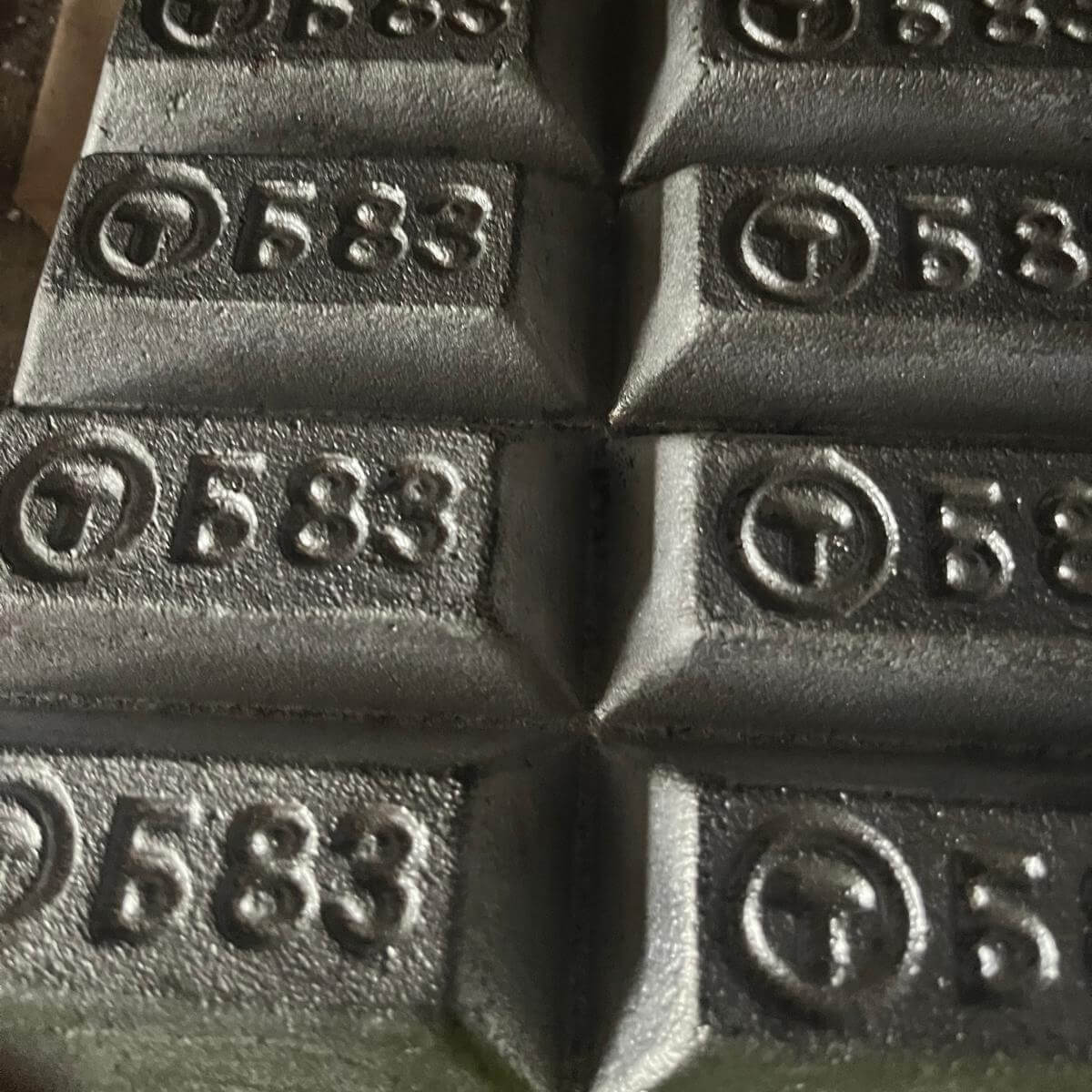
We buy tin and tin-based alloys: solders (Sn-Pb solders), Babbitt metals (bearing alloys), anodes, and pure metal ingots.
Tin is a metal widely used in electronics, the manufacture of solders and bearing alloys, the cable industry, and industrial equipment. Due to its excellent soldering and anti-friction properties, tin is applied in various industrial alloys and the production of specialized materials.
Minimum : from 0.1 kg.
Analysis : Determination of tin percentage based on alloy type and marking.
Solder Production and Soldering
- solders;
- soldering alloys;
- electronic joints/connections;
- industrial soldering;
- electrical components.
Tin is one of the primary materials for soldering in electronics and industry.
Electronics and Electrical Engineering
- printed circuit boards (PCBs);
- electronic components;
- electrical connections;
- cable products;
- telecommunication equipment;
- industrial electronics.
Cable Industry
- tinning of conductors;
- cable manufacturing;
- electrical contacts;
- corrosion protection for conductors;
- soldering of cable joints.
Bearing and Babbitt Production
- Babbitt metal;
- bearing alloys;
- anti-friction materials;
- bearing liners/inserts;
- bushings;
- industrial bearings.
Babbitt is used in:
- heavy industrial equipment;
- electric motors;
- pumps;
- turbines;
- marine equipment;
- power engineering;
- industrial machinery.
| Specification | Value |
| Density | 7.31 g/cm³ |
| Melting point | 231.9 °C |
| Main accepted grades | Tin (grade Sn99.9), Tin (grade Sn99.5), Tin-lead solders 30%-90%, B23 Grade 1, Babbitt B16 |
| Form of acceptance | Ingots, rods, anodes, bearing liners/inserts, home-melted blocks/dross ingots |